Pulp Corporation · Brooklyn, New York
Make it compelling to the people it's for.
Pulp reads what you make, sentence by sentence, and tells you in plain words what wins people over, what draws pushback, and why. You fix it before anyone else sees it.
What you can use it for
Understand every conversation, from one person to a whole public.
- One to selfReflect on your own thinking: what you said, and what you meant by it.
- One to oneKeep track of who promised what, and who followed through.
- One to manyFind out who a message won over, and who pushed back, from real people.
- Many to oneSee what a whole public is telling the one person who decides.
- Many to manyRun discussions where the better argument wins, however quietly it’s made.
- Many to many to many to manyFollow an idea as it travels from one community to the next.
Technology doesn't make you a better thinker. It never has. Habits do.
Every new tool changes what people practice, and AI is no different.
AI doesn't care about people. People do, and they're who we build for: people who want to argue better, listen longer, and change their minds for the right reasons.
Walking away from AI solves nothing. We'd rather do the work than sit it out: make it clearer what people actually said, what they meant by it, and what the machine did with it.

What we make
Use it in our tools, or build it into yours.
Pulp Products
Delightful user experiences
Tools for people whose work runs on conversation, built on what our research finds.
See the productsThe Pulp API
Our engine, on your server
One parameterized language for people and machines.
Meet the APIThe Pulp Foundation
A workforce for after AI
A nonprofit, 501(c)(3) pending, home of the Pulp AI Apprenticeship and Pulp101.
Meet the FoundationHow we look at people
Three instruments. Three ways out into the world.
Each one helps you see people differently. Pulp builds all three, and joins them.
Hover or tap a drawing to see what it measures.
From afar
The telescope
Follow how views move across a city, a country, or a decade, and catch a shift while it is still a murmur.
Up close
The microscope
Get to know the one person you need to reach: who they are, what they care about, how they feel right now, and where they are when they hear you.
From every angle
The kaleidoscope
Turn one message in your hands and see why people decide: who says it, how it feels, its logic, and its timing, sentence by sentence.
At its core
One system: people, what they say to each other, and how it changes them.
The microscope looks at the people, and the kaleidoscope at what they say. The telescope watches what it does to them, over months and years. Every Pulp product is one view of that one system.
Every number says how far to trust it.
- We read the message itself.Each sentence, on named dimensions, with the reason for every reading. Of five competitors whose pages we read, none does.How we knowOur review of five competitors' own pages, November 2026.
- Your draft, against the norm for its kind.Thinkwell says it in plain words: "very high for an op-ed." The norms cover 12 kinds of text, from about 1,500 texts we read.How we knowOur norms study, 2026; a test build of Thinkwell, November 20, 2026.
- Anchored on real people.Every audience number rests on real people, weighted by how well each one is verified. Model predictions are locked before the outcome comes in, and corrected against people.How we knowOur audit of the code, November 2026. The method comes from published social science (van Loon and Kanopka, 2026).
- Tests written down first.We register each test before we run it, and publish the result, including a no.How we knowOur registered test of 2026, published with its answer.

Our promises
What you can hold us to.
Point at a promise to see it play out.
Quality
We check our work twice before you ever see it.
Reliability
What works today works tomorrow. Updates don't break what you already use.
Value
More from the conversations you already have, on less compute.
Data literacy
We show our sources and say how sure we are.
Verified people
We confirm a real person took part, without exposing who they are.
Credible references
When we cite media or public figures, you can trace it to the source.
The people
A team built by teaching.
Builders, operators, researchers, and more than 100 apprentices. A dot is the color each person chose for Pulp's palette.
 In her words · our newest apprenticeMilana Kumar: same vector, new basisFrom political science to applied math, a robotics team, a font of her own, and Pulp.
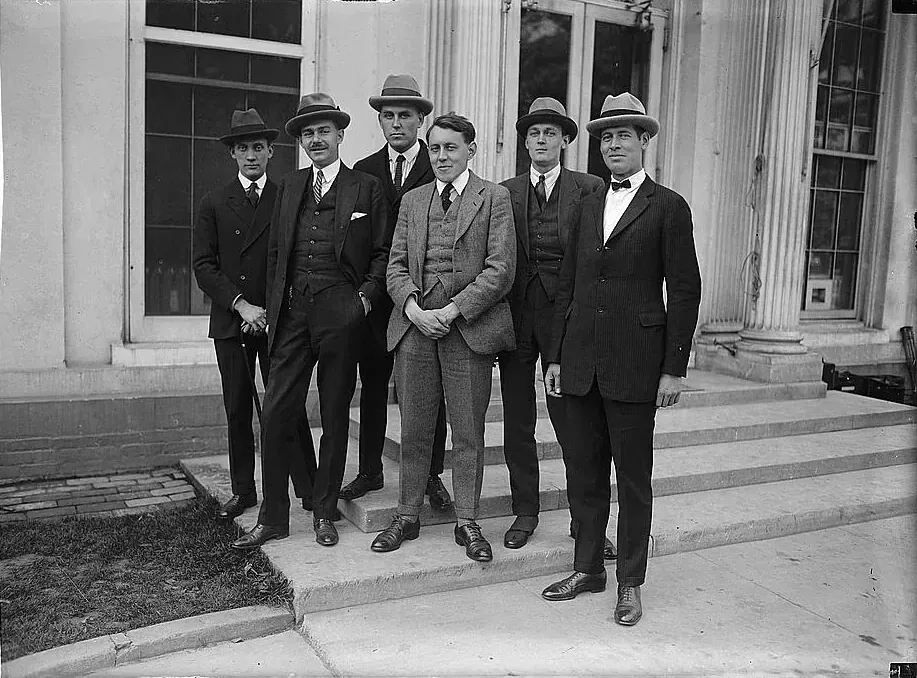 Photo: Library of Congress
 Photo: Associated Press

 Photo: Aldebarium

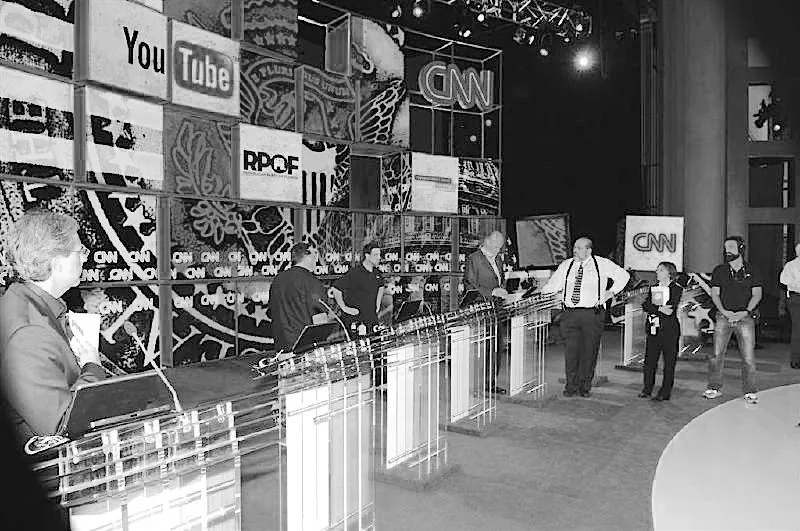 Photo: Fred Thompson campaign

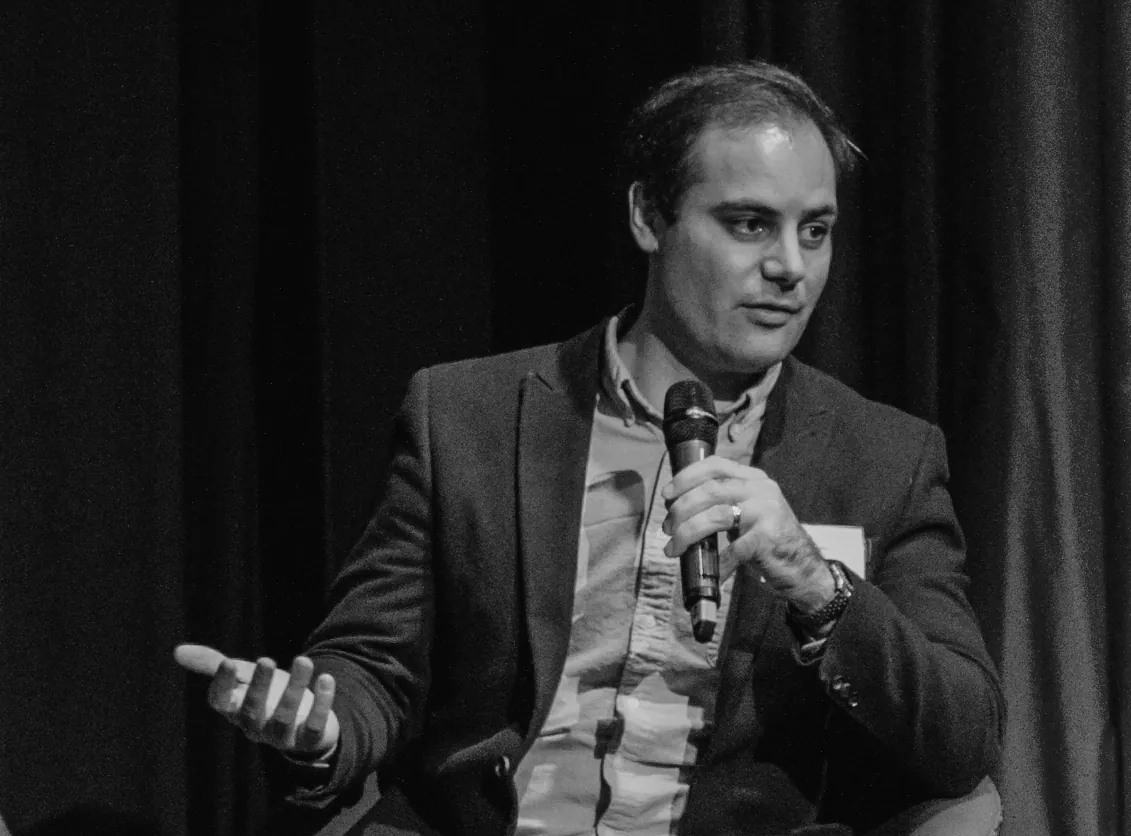 Photo: Anne Schwarz Photography

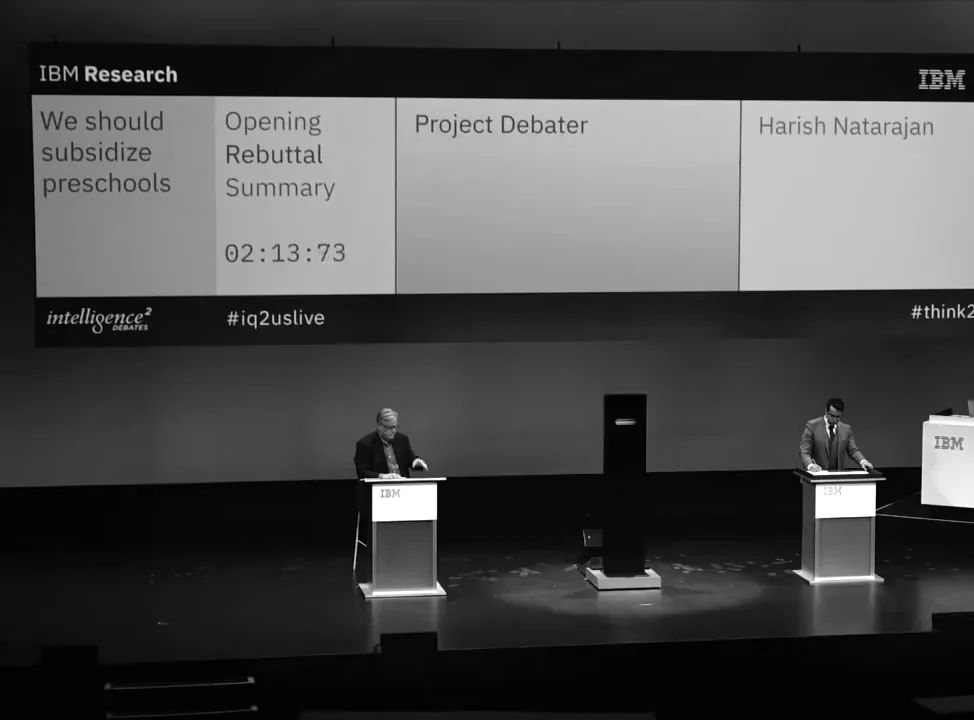 Still: IBM Research
Where it started
Why can't I see the score?
A debate ends with a ballot: a verdict, and no arithmetic. Courts, legislatures, boardrooms, and ad markets all run on persuasion, and all of them run unscored. In 2019 that question became Pulp.
Tell us what you're trying to understand.
A question, a dataset, an argument that keeps going in circles. We'll tell you plainly if we can help.